What to Eat When Your Appetite Drops
GLP-1 medications can reduce hunger and make large meals difficult. Learn how to prioritize protein, nutrient-dense foods, hydration, smaller meals, and easier-to-tolerate foods when appetite drops.
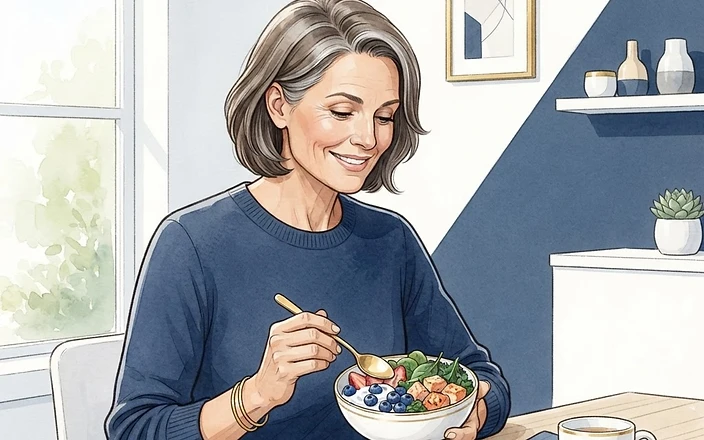
Table of Contents
- Why Appetite May Drop
- Smaller Appetite Does Not Mean Nutrition Stops Mattering
- Think "Nutrient Dense"
- Start With Protein
- You Do Not Need a Huge Portion
- Small, Regular Meals Can Be Easier
- Waiting Until You Are Very Hungry May Not Work
- Choose Foods You Can Actually Tolerate
- When Nausea Is Present
- Large High-Fat Meals May Be Harder to Tolerate
- Stop Eating When Comfortably Full
- Smoothies Can Help — But Build Them Intentionally
- Yogurt and Cottage Cheese Can Pack Nutrition Into Small Portions
- Plant-Based Protein Can Work Well
- Fiber Still Matters
- Do Not Forget Hydration
- Fruits and Vegetables Still Matter
- Whole Grains Can Provide Useful Energy and Fiber
- Healthy Fats Can Add Nutrition in Small Amounts
- Food Quality Matters More When Portions Shrink
- Supplements Are Not Automatically the Answer
- Protein Shakes Can Be a Tool, Not a Requirement
- Watch for the "Coffee and Nothing Else" Pattern
- Weight Loss Should Not Require Malnutrition
- Strength Still Matters
- A Simple Small-Appetite Meal Framework
- 1. Protein
- 2. Produce
- 3. Fiber-rich carbohydrate
- 4. Fluid
- Example: When Breakfast Feels Too Big
- Example: When Solid Food Sounds Unappealing
- When Should You Ask for Help?
- A Registered Dietitian Can Help
- Five Priorities When Appetite Is Low
- 1. Protein first
- 2. Smaller meals
- 3. Nutrient density
- 4. Hydration
- 5. Strength
- What Not to Do
- Small Appetite Does Not Mean You Failed
- The Bottom Line
- Explore Participating Provider Options
What to Eat When Your Appetite Drops
One of the most noticeable effects of GLP-1-related treatment can be a major reduction in appetite.
You may feel full after much less food than usual.
Foods that once sounded appealing may suddenly feel uninteresting.
A full plate may look overwhelming.
And sometimes the problem is not simply:
"I'm less hungry."
It becomes:
"I'm barely eating enough to get the nutrients I need."
When appetite falls, the goal should not be to force large meals.
But it should not be to ignore nutrition either.
The practical goal becomes:
Eat less volume — but make the food you do eat count.
Nutrition information reviewed September 2026.
Educational information only. Individual nutrition needs vary based on health status, kidney function, medications, age, activity, food intolerances, pregnancy, and other factors. GoLean Horizon does not provide individualized nutrition or medical advice.
Why Appetite May Drop
GLP-1-related medications can affect:
- hunger
- fullness
- food intake
- gastric emptying
- food preferences
Some people notice that they:
- become full after a few bites
- eat smaller portions
- lose interest in snacks
- forget to eat
- experience nausea
- develop temporary food aversions
- find rich or heavy meals less appealing
Those effects may contribute to weight reduction.
But eating substantially less food can also reduce intake of:
- protein
- vitamins
- minerals
- fiber
- essential fats
- fluids
That is why nutritional quality becomes increasingly important when appetite is low.
Smaller Appetite Does Not Mean Nutrition Stops Mattering
Weight-loss treatment should not become a competition to see how little someone can eat.
The body still needs nutrients to support:
- muscle
- immune function
- blood-cell production
- bone
- nervous-system function
- tissue repair
- energy metabolism
Current GLP-1 nutrition guidance emphasizes protecting nutritional adequacy while food intake decreases. :chatgpt-content-reference{index="1"}
Think "Nutrient Dense"
A nutrient-dense food provides meaningful nutrition without requiring an enormous portion.
When appetite is limited, that can be useful.
Examples might include foods that provide:
- protein
- vitamins
- minerals
- fiber
- healthy fats
- complex carbohydrates
rather than foods that supply mostly calories with little nutritional value.
The objective is not perfection.
It is to get more nutritional value from the smaller amount you can comfortably eat.
Start With Protein
Protein deserves priority during active weight loss because body-weight reduction can include loss of lean tissue.
When appetite is low, protein can be difficult to consume in adequate amounts.
Current expert guidance suggests eating protein-rich foods early in the meal, before fullness makes it difficult to continue eating. :chatgpt-content-reference{index="2"}
Possible options include:
- tofu
- tempeh
- edamame
- beans
- lentils
- peas
- Greek yogurt
- cottage cheese
- eggs
- fish or seafood
- poultry where it fits the dietary pattern
- nuts or nut butters
- protein-rich fortified foods
The best choices depend on the individual's eating pattern, health needs, and tolerance.
Read:
Why Protein Matters During Weight Loss
You Do Not Need a Huge Portion
When appetite is low, a large serving can be counterproductive.
A smaller amount of a protein-rich food may be more manageable.
For example:
small bowl of Greek yogurt
may be easier than a large breakfast.
small serving of tofu
may be easier than a very large meal.
a modest bowl of lentil soup
may feel more manageable than an overflowing plate.
The goal is not to force food after you are comfortably full.
It is to choose foods strategically before fullness arrives.
Small, Regular Meals Can Be Easier
Current GLP-1 nutrition guidance recommends smaller, more frequent meals when hunger and food interest are low.
Some people may tolerate:
several small eating occasions
better than:
two or three very large meals.
The 2025 joint advisory specifically notes that small meals every few hours may help when nausea or poor appetite makes normal meals difficult. :chatgpt-content-reference{index="3"}
A practical pattern might involve:
- small breakfast
- small lunch
- small snack
- small dinner
rather than waiting until late in the day and trying to eat a large amount at once.
Waiting Until You Are Very Hungry May Not Work
Before treatment, hunger itself may have been the reminder to eat.
But if appetite is greatly reduced, that signal may become unreliable.
Someone may suddenly realize:
"It's 4 PM and I haven't eaten."
Current guidance suggests that meal reminders or alarms may help some people when food interest is very low. :chatgpt-content-reference{index="4"}
The point is not rigid eating.
It is preventing the entire day from passing with almost no nutritional intake.
Choose Foods You Can Actually Tolerate
A food can be nutritious and still be the wrong choice when you feel nauseated.
During periods of GI symptoms, easier-to-tolerate foods may be more useful than foods that look perfect on paper.
Current guidance commonly recommends:
- smaller meals
- slower eating
- simpler foods
- avoiding very large meals
- reducing high-fat foods when they worsen symptoms
- adequate hydration
during periods of nausea or poor tolerance. :chatgpt-content-reference{index="5"}
When Nausea Is Present
Nausea can create a cycle:
nausea → avoid food → stomach stays empty → nausea worsens → eat even less
The joint advisory notes that nausea is often worse after long periods without eating.
Small meals may help interrupt that cycle. :chatgpt-content-reference{index="6"}
Some people may better tolerate:
- dry toast
- crackers
- rice
- oatmeal
- simple soups
- yogurt
- fruit
- small amounts of protein
- ginger-containing foods or tea
depending on individual tolerance.
If nausea is persistent or significantly limits eating, contact the healthcare team.
Large High-Fat Meals May Be Harder to Tolerate
Dietary fat can slow gastric emptying.
GLP-1-related therapies can also slow stomach emptying.
That combination may make:
- large fried meals
- heavy sauces
- rich foods
- large high-fat meals
more difficult for some people to tolerate.
Recent clinical nutrition guidance recommends lower-fat, smaller meals during symptomatic periods when higher-fat meals worsen nausea or fullness. :chatgpt-content-reference{index="7"}
That does not mean dietary fat should be eliminated.
It means portion size and tolerance matter.
Stop Eating When Comfortably Full
One common mistake is continuing to eat because:
"I haven't finished what's on my plate."
During GLP-1 treatment, fullness can arrive earlier than expected.
Eating well beyond that point may increase:
- nausea
- abdominal discomfort
- reflux
- vomiting
Current guidance recommends slowing down and stopping when comfortably full rather than pushing through satiety signals. :chatgpt-content-reference{index="8"}
A smaller plate can sometimes make this psychologically easier.
Smoothies Can Help — But Build Them Intentionally
A smoothie can provide nutrition when solid food feels difficult.
A balanced smoothie might contain some combination of:
- unsweetened milk or fortified plant milk
- Greek yogurt
- fruit
- vegetables
- a protein source
- other appropriate ingredients
The 2025 joint advisory specifically mentions healthfully prepared smoothies and protein drinks as potential options when appetite is low. :chatgpt-content-reference{index="9"}
But smoothies can also become very calorie-dense without providing much protein or fiber if they are mostly:
- juice
- syrups
- sweetened yogurt
- added sugar
So composition matters.
---## Soups Can Be Useful Too
Soup can sometimes provide:
- fluid
- vegetables
- protein
- carbohydrates
in a form that is easier to tolerate than a heavy solid meal.
Examples might include:
- lentil soup
- bean soup
- vegetable soup with tofu
- chicken-and-vegetable soup
- fish-based soup
- blended vegetable soup with an added protein source
Current expert guidance includes soups among foods that may be easier for some people to consume when appetite is low. :chatgpt-content-reference{index="10"}
Yogurt and Cottage Cheese Can Pack Nutrition Into Small Portions
For people who eat dairy and tolerate it, foods such as:
- Greek yogurt
- cottage cheese
- milk
can provide protein in relatively small volumes.
These may be especially useful when chewing through a large meal feels unappealing.
Choose versions that fit your broader health and dietary needs.
Plant-Based Protein Can Work Well
A reduced appetite does not require an animal-based diet.
Plant-based options may include:
- tofu
- tempeh
- edamame
- beans
- peas
- lentils
- soy milk
- higher-protein grains
- nut and seed butters
The joint GLP-1 advisory specifically includes plant protein sources in its recommended dietary pattern. :chatgpt-content-reference{index="11"}
If beans or high-fiber foods worsen bloating during a symptomatic period, portions can be adjusted and foods reintroduced based on tolerance.
Fiber Still Matters
Reduced food intake can also reduce fiber intake.
Fiber supports:
- bowel regularity
- digestive health
- cardiometabolic health
Useful sources include:
- vegetables
- fruit
- beans
- lentils
- oats
- whole grains
- seeds
But if nausea, bloating, or fullness is significant, suddenly adding very large amounts of fiber may make symptoms worse.
Current guidance recommends increasing fiber gradually and combining it with adequate fluid intake. :chatgpt-content-reference{index="12"}
Do Not Forget Hydration
When appetite drops, drinking can drop too.
And GI symptoms such as:
- vomiting
- diarrhea
- nausea
can make fluid intake even more difficult.
Hydration is therefore part of the nutrition strategy.
Read:
Hydration and GLP-1 GI Effects: What to Know
Take fluid needs seriously, especially if food and beverage intake are both falling.
Fruits and Vegetables Still Matter
Protein often gets most of the attention in GLP-1 nutrition discussions.
But vitamins, minerals, fiber, and phytonutrients matter too.
Fruits and vegetables can provide:
- vitamin C
- folate
- potassium
- carotenoids
- fiber
- fluid
and many other nutrients.
When appetite is small, compact options may be easier:
- berries
- sliced fruit
- cooked vegetables
- soups
- smoothies
- small salads if tolerated
rather than forcing an enormous plate.
Whole Grains Can Provide Useful Energy and Fiber
Possible options include:
- oats
- quinoa
- brown rice
- whole-grain bread
- whole-grain cereals
- other minimally processed grains
These foods can contribute:
- carbohydrate
- fiber
- B vitamins
- minerals
and can be paired with a protein source.
Explore My Options
Compare provider options based on factors such as cost, flexibility, support, medication preferences, and overall experience.
Explore My OptionsGoLean Horizon provides educational information and provider-matching resources. A licensed healthcare provider determines whether treatment is medically appropriate.
The goal is not to eliminate entire food groups simply because appetite is lower.
Healthy Fats Can Add Nutrition in Small Amounts
Because fat is energy dense, modest portions can add substantial calories and nutrients without large food volume.
Possible sources include:
- nuts
- seeds
- avocado
- nut butters
However, when nausea or delayed gastric emptying is troublesome, high-fat meals may feel worse.
That means the practical question is:
What amount can I comfortably tolerate?
rather than:
"Are fats good or bad?"
Food Quality Matters More When Portions Shrink
Imagine someone previously ate:
2,000 calories from a varied diet
and now comfortably eats far less.
There are simply fewer opportunities to obtain:
- protein
- calcium
- iron
- B vitamins
- potassium
- magnesium
- fiber
- essential fatty acids
That is why very low appetite shifts the nutrition conversation away from:
"How can I cut even more calories?"
toward:
"How can I protect nutritional adequacy within the smaller amount I can eat?"
A 2026 clinical practice statement makes this same point: during GLP-1 therapy, nutrition priorities shift toward hydration, sufficient macro- and micronutrient intake, and adequate protein rather than simply pushing calorie restriction further. :chatgpt-content-reference{index="13"}
Supplements Are Not Automatically the Answer
If food intake becomes very limited, someone may wonder whether a multivitamin or other supplement is needed.
That can be appropriate in some situations.
But supplements should not automatically be used as a substitute for food.
A clinician or registered dietitian may consider:
- dietary pattern
- degree of restriction
- laboratory results
- medical conditions
- medications
- nutrient deficiencies
before recommending supplements.
More is not necessarily better.
Protein Shakes Can Be a Tool, Not a Requirement
A protein drink can help when:
- chewing feels difficult
- appetite is very low
- solid protein foods are unappealing
- meeting protein needs from food is challenging
But not everyone needs one.
Current expert guidance recognizes fortified protein foods and drinks as useful options for some individuals rather than mandatory components of treatment. :chatgpt-content-reference{index="14"}
Check:
- protein amount
- added sugar
- sodium
- ingredients
- serving size
and whether the product fits your health needs.
Watch for the "Coffee and Nothing Else" Pattern
When appetite is suppressed, some people may unintentionally replace meals with:
- coffee
- energy drinks
- diet beverages
and very little food.
That may leave protein, fiber, and micronutrient intake extremely low.
Appetite suppression should not become:
nutrient suppression.
If you repeatedly reach the end of the day having eaten almost nothing, that deserves attention.
Weight Loss Should Not Require Malnutrition
This distinction is critical.
There is a difference between:
reduced calorie intake
and
inadequate nutrition.
Signs that intake may be becoming problematic can include:
- persistent weakness
- significant fatigue
- dizziness
- difficulty exercising
- inability to eat enough
- worsening constipation
- dehydration
- excessive or unexpected weight loss
These symptoms can have many causes.
But they are reasons to contact the healthcare team rather than assuming:
"Less food must mean better treatment."
Strength Still Matters
Food supports the body.
Exercise tells the body how that nutrition should be used.
Protein and strength training work together to help support muscle and function during weight loss.
Read:
Why Strength Training Matters During Weight Loss
A good nutrition plan should help you remain capable of:
- walking
- exercising
- working
- performing daily activities
- maintaining strength
not simply make the scale fall.
A Simple Small-Appetite Meal Framework
When appetite is limited, think about four components.
1. Protein
Examples:
- tofu
- Greek yogurt
- eggs
- lentils
- fish
- soy foods
2. Produce
Examples:
- berries
- vegetables
- fruit
- cooked greens
3. Fiber-rich carbohydrate
Examples:
- oats
- quinoa
- whole grains
- beans
- lentils
4. Fluid
Examples:
- water
- unsweetened beverages
- soup
- other appropriate fluids
You may not need every component in every tiny meal.
The framework simply helps prevent an eating pattern consisting almost entirely of low-nutrient snack foods.
Example: When Breakfast Feels Too Big
Instead of:
large breakfast + large beverage
a smaller option might be:
Greek yogurt + berries
or
small oatmeal + soy milk
or
tofu with a small portion of vegetablesdepending on preferences and tolerance.
The point is not the specific menu.
It is:
small volume + meaningful nutrition.
Example: When Solid Food Sounds Unappealing
Possible options might include:
- smoothie with protein
- yogurt
- soup
- fortified milk or plant milk
- cottage cheese
- small blended meals
The joint advisory specifically notes that smoothies, protein drinks, cottage cheese, and soups may be more appealing than heavier foods when hunger and food interest are low. :chatgpt-content-reference{index="15"}
When Should You Ask for Help?
Contact your healthcare team if low appetite is accompanied by:
- repeated vomiting
- inability to keep food or fluid down
- severe or persistent nausea
- significant weakness
- dizziness
- dehydration
- rapidly worsening GI symptoms
- unexpectedly rapid weight loss
- inability to meet basic nutritional needs
The correct response to severe appetite suppression is not always:
"Try harder to eat."
The clinician may need to assess:
- the dose
- medication tolerance
- hydration
- another medical problem
- whether additional nutritional support is needed
A Registered Dietitian Can Help
A registered dietitian can help individualize food choices based on:
- appetite
- protein needs
- food preferences
- allergies
- intolerances
- kidney function
- diabetes
- cardiovascular needs
- gastrointestinal symptoms
- cultural foods
- vegetarian or vegan eating patterns
The 2025 joint advisory specifically recognizes registered dietitian nutritionists as useful for developing dietary patterns that meet individual nutritional needs and preferences. :chatgpt-content-reference{index="16"}
Five Priorities When Appetite Is Low
If you remember only five things, think:
1. Protein first
Give protein a place before fullness arrives.
2. Smaller meals
Do not force oversized portions.
3. Nutrient density
Make the food you can eat count.
4. Hydration
Reduced hunger should not mean reduced fluids.
5. Strength
Nutrition works best alongside appropriate resistance training and physical activity.
What Not to Do
Avoid turning reduced appetite into a competition.
Do not deliberately try to:
- skip food all day
- survive on coffee
- eliminate whole food groups without reason
- ignore persistent nausea
- ignore dehydration
- force huge meals
- chase the lowest possible calorie intake
The goal of weight management is improved health.
Not nutritional depletion.
Reduced appetite can be part of GLP-1 treatment, but extreme restriction, dehydration, or inadequate nutrition should not be treated as signs that the medication is "working better."
Read:
GLP-1 Myths: What the Evidence Actually Says
Small Appetite Does Not Mean You Failed
Some people become frustrated because they can no longer eat the foods or portions they were accustomed to.
Others worry because they cannot reach a rigid meal plan.
The more useful approach is flexibility.
Ask:
What nutritious foods can I tolerate today?
Can I eat a smaller portion?
Can I get some protein in?
Am I staying hydrated?
Can I try again later?
A small, balanced meal is still a meal.
The Bottom Line
When appetite drops during GLP-1 treatment, food quality becomes more important — not less.
Prioritize:
protein
nutrient-dense foods
fruits and vegetables
appropriate fiber-rich foods
adequate fluids
and
small, manageable meals.
Eat slowly.
Stop when comfortably full.
Adjust meal size and composition when nausea or fullness makes eating difficult.
And remember:
The goal is not to eat the least possible amount of food.
The goal is to support weight management while protecting:
nutrition
muscle
strength
hydration
and
overall health.
If appetite becomes so low that you cannot maintain adequate food or fluid intake, contact your healthcare team.
Explore Participating Provider Options
GoLean Horizon helps you compare participating GLP-1 provider options based on preferences such as cost, flexibility, provider support, medication interest, treatment form, insurance assistance, and simplicity.
Explore My Options
GoLean Horizon provides educational information and provider-matching resources. We do not provide individualized nutrition or medical advice, prescribe medication, or determine treatment eligibility. A licensed healthcare professional determines whether treatment is medically appropriate.
Sources & References
- 1.Mozaffarian et al. — Nutritional Priorities to Support GLP-1 Therapy for Obesity: Joint Advisory, 2025. Primary source for small frequent meals, protein-first strategies, nutrient-dense foods, smoothies, protein drinks, meal reminders, adequate fluids, and dietary quality during reduced appetite. PubMed Central (PMC)
- 2.Nutrition-First Support for GLP-1 and Dual Incretin Therapy in Obesity, 2026. Supports small structured meals, stopping at early fullness, lower-fat foods during nausea, fluids between meals, and symptom-specific dietary modifications. PubMed Central (PMC)
- 3.2026 AHA/ACC/ADA/ASN Guideline for Cardiovascular-Kidney-Metabolic Syndrome. Supports smaller, more frequent meals, slow eating, stopping when full, adequate hydration, and limiting high-fat and spicy foods when GI adverse effects occur. PubMed Central (PMC)
- 4.Nutritional and Lifestyle Supportive Care Recommendations for Obesity With GLP-1-Based Therapies, 2025. Supports small portions, hydration, gradual fiber intake, nutrient quality, and GI symptom management. PubMed Central (PMC)
- 5.Obesity Medicine Association Clinical Practice Statement, 2026. Supports shifting the nutrition priority during GLP-1 therapy toward adequate protein, hydration, and macro- and micronutrient intake rather than simply further restricting calories. PubMed Central (PMC)
Frequently Asked Questions
What should I eat when a GLP-1 medication reduces my appetite?
Prioritize nutrient-dense foods, adequate protein, fruits and vegetables, appropriate fiber-rich foods, and fluids. Smaller, more frequent meals may be easier to tolerate than large meals when appetite is low. PubMed Central (PMC)
Should I eat protein first when my appetite is low?
That can be useful. Current GLP-1 nutrition guidance suggests consuming protein-rich foods early in the meal because early fullness may otherwise make it difficult to eat enough protein. PubMed Central (PMC)
Are smoothies helpful when I do not feel like eating?
They can be. Expert guidance identifies healthfully prepared smoothies and protein drinks as possible ways to obtain nutrients when solid food is less appealing. Their nutritional value depends on the ingredients. PubMed Central (PMC)
Should I force myself to finish a meal while taking a GLP-1 medication?
No. Current guidance recommends smaller meals, slower eating, and stopping when comfortably full because continuing beyond early satiety may worsen nausea or vomiting. PubMed Central (PMC)
Why do high-fat meals sometimes feel worse on GLP-1 treatment?
Dietary fat can slow gastric emptying, and GLP-1-related therapies can also delay gastric emptying. High-fat or very large meals may therefore worsen fullness, nausea, or reflux in some people. PubMed Central (PMC)
What if I forget to eat because I am no longer hungry?
Small scheduled meals or reminders can help some people maintain nutrition when hunger cues become unreliable. The joint advisory specifically notes that meal reminders may be useful when appetite is very low. PubMed Central (PMC)
When should low appetite become a concern?
Contact the healthcare team if low appetite is causing inability to maintain adequate nutrition or hydration, persistent vomiting or nausea, significant weakness, dizziness, or unexpectedly rapid weight loss. GI symptoms that significantly limit intake may require clinical assessment. PubMed Central (PMC)
Explore My Options
Compare provider options based on factors such as cost, flexibility, support, medication preferences, and overall experience.
Explore My OptionsGoLean Horizon provides educational information and provider-matching resources. A licensed healthcare provider determines whether treatment is medically appropriate.
Educational information only. GoLean Horizon does not provide medical advice, prescribe medication, or determine treatment eligibility. A licensed healthcare provider determines whether treatment is medically appropriate.
Continue Learning

Hydration and GLP-1 GI Effects: What to Know
Nausea, vomiting, diarrhea, constipation, and reduced appetite can make hydration more challenging during GLP-1 treatment. Learn why fluids matter, practical hydration strategies, and when GI symptoms deserve medical attention.

Why Strength Training Matters During Weight Loss
Weight loss can reduce both fat and lean tissue. Learn how resistance training can help preserve muscle, improve strength and function, and support healthier body composition during weight loss, including GLP-1 treatment.

GLP-1 Myths: What the Evidence Actually Says
GLP-1 medications are surrounded by claims about diabetes, injections, muscle loss, compounded drugs, weight regain, thyroid cancer, and mental health. Here’s what current evidence actually supports.

Why Protein Matters During Weight Loss
Weight loss can involve loss of both fat and lean tissue. Learn why protein matters during weight loss, how it supports muscle and nutrition, why GLP-1 users may need to pay special attention, and why resistance training matters too.