Hydration and GLP-1 GI Effects: What to Know
Nausea, vomiting, diarrhea, constipation, and reduced appetite can make hydration more challenging during GLP-1 treatment. Learn why fluids matter, practical hydration strategies, and when GI symptoms deserve medical attention.

Table of Contents
- Why Hydration Matters
- GLP-1 Treatment Can Change More Than Hunger
- Why GI Symptoms Can Affect Hydration
- Nausea
- Vomiting
- Diarrhea
- Reduced appetite
- Constipation
- Dehydration Can Become More Than an Inconvenience
- What Does "Volume Depletion" Mean?
- Signs That You May Not Be Getting Enough Fluid
- Do You Need Exactly Eight Glasses of Water?
- More Water Is Not Always Better
- Small Amounts Throughout the Day May Be Easier
- Large Meals Can Make Nausea Worse
- Very Fatty Meals May Be Harder to Tolerate
- What About Fiber?
- Constipation Is Common
- Hydration Is Only One Part of Constipation Management
- Diarrhea Creates a Different Problem
- What About Electrolytes?
- Sports Drinks Are Not Automatically Necessary
- What About Sugar-Free Electrolyte Drinks?
- Food Can Contribute to Hydration Too
- Hydration and Protein Need to Be Balanced
- Exercise Changes Fluid Needs Too
- Nausea Can Create a Cycle
- Dose Escalation Can Matter
- Do Not Copy Another Person's Dose
- When Should You Contact the Provider?
- Severe Abdominal Pain Deserves Attention
- Repeated Vomiting Is Not a Weight-Loss Strategy
- What About Reduced Thirst?
- A Simple Hydration Routine
- Morning
- Between meals
- Exercise
- With GI symptoms
- Evening
- What Can You Monitor?
- Medication Side Effects Should Be Part of Follow-Up
- Don't Let Social Media Normalize Severe Symptoms
- Hydration and GI Effects at a Glance
- Questions to Ask Your Healthcare Team
- The Goal Is Not to "Push Through" Everything
- Hydration Is Part of Healthy Progress
- The Bottom Line
- Explore Participating Provider Options
Hydration and GLP-1 GI Effects: What to Know
GLP-1-related medications can change appetite, food intake, digestion, and how quickly the stomach empties.
For some people, treatment can also involve gastrointestinal symptoms such as:
- nausea
- vomiting
- diarrhea
- constipation
- abdominal discomfort
- indigestion
- reflux-related symptoms
These effects are often most noticeable when treatment begins or when the dose increases.
But there is another issue that can be easy to overlook:
hydration.
If you are eating less, drinking less, vomiting, or experiencing diarrhea, your fluid intake and fluid losses can move in the wrong direction at the same time.
That is why hydration deserves attention during GLP-1 treatment.
Nutrition information reviewed September 2026.
Educational information only. Individual fluid needs vary. People with heart, kidney, liver, endocrine, or other medical conditions may have specific fluid or electrolyte recommendations. GoLean Horizon does not provide individualized medical or hydration advice.
Why Hydration Matters
Water is involved in nearly every major system in the body.
It supports:
- circulation
- temperature regulation
- digestion
- kidney function
- normal bowel function
- transport of nutrients
- removal of waste
- physical performance
Normally, fluid comes from both:
beverages
and
food.
That second source matters.
Fruits, vegetables, soups, yogurt, and many other foods contain substantial amounts of water.
So when appetite drops and total food intake falls, some people may unintentionally reduce both:
food intake
and
fluid intake.
GLP-1 Treatment Can Change More Than Hunger
Many people focus on appetite suppression.
But GLP-1-related medications can also affect the gastrointestinal tract.
Common effects reported in clinical trials include:
- nausea
- diarrhea
- vomiting
- constipation
- abdominal pain
- indigestion
The exact frequency varies by medication, dose, study population, and formulation.
These symptoms often occur more frequently during:
treatment initiation
or
dose escalation.
For many people, symptoms become less troublesome after the body adjusts to a stable dose.
Why GI Symptoms Can Affect Hydration
Consider what happens with each symptom.
Nausea
Someone who feels nauseated may avoid both food and drinks.
Vomiting
Fluid is directly lost from the body.
Diarrhea
Water and electrolytes can be lost through frequent loose stools.
Reduced appetite
Someone may simply forget to drink because normal meal and snack routines have changed.
Constipation
Low fluid intake can contribute to harder stools and may make constipation more difficult to manage.
Several of these problems can occur at the same time.
Dehydration Can Become More Than an Inconvenience
FDA prescribing information for both semaglutide and tirzepatide products includes warnings about:
acute kidney injury due to volume depletion.
FDA labeling notes that many reported kidney-injury events occurred in people who had gastrointestinal reactions leading to dehydration, including:
- nausea
- vomiting
- diarrhea
Some reported cases required dialysis.
That does not mean ordinary nausea automatically causes kidney damage.
It means persistent or severe fluid loss deserves attention.
What Does "Volume Depletion" Mean?
Volume depletion means the body has lost enough fluid that the circulating fluid volume becomes reduced.
This can happen through:
- vomiting
- diarrhea
- inadequate fluid intake
- heavy sweating
- fever
- combinations of these factors
A person may sometimes use the word:
dehydration
for the same general problem.
The medical terminology can be more specific, but the practical message is straightforward:
significant fluid loss plus inadequate replacement can become medically important.
Signs That You May Not Be Getting Enough Fluid
Possible signs can include:
- thirst
- dry mouth
- darker urine
- urinating less often
- dizziness
- lightheadedness
- fatigue
- weakness
- headache
More significant dehydration can produce more serious symptoms.
No single symptom proves dehydration, and some of these symptoms can have other causes.
If symptoms are persistent, severe, or worsening, contact a healthcare professional.
Do You Need Exactly Eight Glasses of Water?
No universal "eight glasses" rule applies to everyone.
Fluid needs vary based on:
- body size
- diet
- climate
- activity
- sweating
- illness
- pregnancy
- medications
- kidney function
- cardiovascular status
- other health conditions
Some GLP-1 nutrition experts recommend generous fluid intake when medically appropriate, particularly when vomiting, diarrhea, exercise, or reduced intake increase dehydration risk.
But this should not be turned into a universal prescription.
Some people are specifically instructed by their healthcare team to limit fluids.
The appropriate goal is:
adequate hydration for the individual.
More Water Is Not Always Better
Hydration advice can become oversimplified.
Drinking excessive amounts of fluid can also cause problems.
And some medical conditions may require controlled fluid intake.
That is why someone should not automatically force several liters of water each day simply because an online post says:
"Everyone on a GLP-1 needs this much."
Ask your healthcare professional if you are unsure what amount is appropriate for you.
Small Amounts Throughout the Day May Be Easier
When nausea or early fullness is present, drinking a large volume all at once may feel uncomfortable.
Some people may find it easier to:
- keep a drink nearby
- take smaller amounts regularly
- drink between meals
- begin drinking earlier in the day
- use a reusable bottle as a reminder
- choose fluids they tolerate well
The goal is consistency rather than trying to make up an entire day's fluid intake at bedtime.
Large Meals Can Make Nausea Worse
The 2025 multi-organization GLP-1 nutrition advisory notes that gastrointestinal symptoms can often be managed partly through eating-pattern adjustments.
For nausea, practical approaches can include:
- smaller meals
- eating more frequently when needed
- avoiding unusually large meals
- temporarily limiting foods that worsen symptoms
- maintaining adequate fluid intake
Vomiting may be more likely after large meals.
The best strategy varies from person to person.
Very Fatty Meals May Be Harder to Tolerate
Foods high in fat can slow gastric emptying.
Because GLP-1-related medications can also slow stomach emptying, some people notice more:
- fullness
- nausea
- indigestion
- reflux
after large, high-fat meals.
During periods of GI symptoms, smaller and simpler meals may be better tolerated.
This does not mean dietary fat must be eliminated.
It means food tolerance may change during treatment.
What About Fiber?
Fiber is important for:
- bowel regularity
- digestive health
- satiety
- cardiometabolic health
But increasing fiber very quickly while drinking too little fluid may make gastrointestinal symptoms more uncomfortable for some people.
For constipation, current expert guidance commonly recommends:
adequate fluids + gradual fiber intake
rather than suddenly adding very large amounts of fiber.
Individual tolerance matters.
Constipation Is Common
Constipation can occur during weight loss generally and has also been reported with GLP-1-related medications.
Possible contributing factors include:
- eating less food
- lower fluid intake
- reduced fiber intake
- slower gastrointestinal movement
- changes in physical activity
This makes constipation another reason to pay attention to hydration.
Hydration Is Only One Part of Constipation Management
Water can help, but constipation is not always caused by dehydration.Other considerations may include:
- fiber intake
- physical activity
- medication effects
- other medications
- medical conditions
- eating pattern
Persistent constipation should be discussed with the healthcare team rather than treated indefinitely with escalating home remedies.
Diarrhea Creates a Different Problem
With diarrhea, the concern shifts from:
slow bowel movement
to:
fluid and electrolyte loss.
Mild diarrhea may resolve as the body adjusts.
But frequent or persistent diarrhea can result in substantial losses.
That is especially important if the person is also:
- vomiting
- eating very little
- exercising heavily
- exposed to hot weather
Multiple sources of fluid loss can add together.
What About Electrolytes?
Electrolytes include minerals such as:
- sodium
- potassium
- chloride
- magnesium
They help support normal functions including:
- fluid balance
- nerve signaling
- muscle function
Vomiting and diarrhea can involve losses of both:
water
and
electrolytes.
For mild situations, ordinary foods and fluids may be adequate.
More significant illness may require specific oral rehydration strategies or medical evaluation.
Do not assume that everyone taking a GLP-1 needs daily electrolyte supplements.
Sports Drinks Are Not Automatically Necessary
Sports drinks can contain:
- sodium
- carbohydrate
- flavoring
- other electrolytes
They may have a role in some circumstances.
But they are not automatically necessary for routine hydration.
Many also contain substantial amounts of sugar.
Someone who needs electrolyte replacement because of significant vomiting or diarrhea should obtain guidance appropriate to the situation rather than simply consuming large amounts of sports drinks.
What About Sugar-Free Electrolyte Drinks?
These can be convenient for some people.
But "sugar-free" does not automatically mean:
necessary
or
better for everyone.
Check:
- sodium
- potassium
- magnesium
- sweeteners
- serving size
People with kidney disease, heart disease, blood-pressure concerns, or other conditions may need individualized advice about electrolyte products.
Explore My Options
Compare provider options based on factors such as cost, flexibility, support, medication preferences, and overall experience.
Explore My OptionsGoLean Horizon provides educational information and provider-matching resources. A licensed healthcare provider determines whether treatment is medically appropriate.
Food Can Contribute to Hydration Too
Fluids do not only come from a water bottle.
Foods with high water content can contribute to overall hydration.
Examples may include:
- soups
- broth-based dishes
- cucumbers
- tomatoes
- melon
- citrus
- berries
- yogurt
- other fruits and vegetables
Which foods are appropriate depends on:
- tolerance
- dietary needs
- blood-glucose considerations
- medical conditions
When appetite is low, foods that supply both water and nutrients may be particularly useful.
Hydration and Protein Need to Be Balanced
In Article #17, we discussed prioritizing protein during weight loss.
But someone should not become so focused on reaching a protein target that hydration and gastrointestinal tolerance are ignored.
A very high-protein eating pattern with:
- little fluid
- little fiber
- very small overall food intake
may make constipation more troublesome in some people.
Nutrition works as a system.
Protein matters.
So do:
- fluids
- fiber
- micronutrients
- overall food quality
Read:
Why Protein Matters During Weight Loss
Exercise Changes Fluid Needs Too
Article #18 explained why strength training can help support muscle and function during weight loss.
Physical activity can also increase fluid needs, particularly when:
- exercise is prolonged
- sweating is heavy
- weather is hot
- humidity is high
So someone who begins exercising more while simultaneously eating and drinking less may need to pay more attention to hydration.
Read:
Why Strength Training Matters During Weight Loss
Nausea Can Create a Cycle
Nausea can sometimes create a difficult pattern:
feel nauseated → eat and drink less → feel worse → eat and drink even less
The 2025 GLP-1 nutrition advisory specifically discusses this cycle.
Small, tolerable amounts of food and fluid may be easier than waiting until hunger or thirst becomes intense.
Persistent nausea that prevents adequate eating or drinking should be reported to the healthcare team.
Dose Escalation Can Matter
GI effects are often more noticeable:
when treatment begins
and
after dose increases.
GLP-1-related medications typically use gradual dose escalation for a reason.
A patient should not independently accelerate the dosing schedule because:
"The lower dose isn't working fast enough."
Medication adjustments belong with the prescribing healthcare professional.
Do Not Copy Another Person's Dose
Someone on social media may say:
"I increased after two weeks and felt fine."
That does not make the same change appropriate for someone else.
Medication dosing depends on the specific:
- drug
- formulation
- prescribing instructions
- tolerance
- medical situation
Unexpected or troublesome GI effects should prompt a conversation with the prescriber rather than self-directed dose changes.
When Should You Contact the Provider?
Contact the healthcare team if symptoms are:
- persistent
- worsening
- difficult to manage
- interfering with hydration
- preventing adequate food intake
- significantly disrupting normal activities
Examples can include:
- repeated vomiting
- persistent diarrhea
- inability to keep fluids down
- severe or persistent constipation
- significant dizziness
- markedly reduced urination
- severe abdominal symptoms
Your provider can determine whether the medication, dose, hydration status, another illness, or another problem needs to be addressed.
Severe Abdominal Pain Deserves Attention
Not every gastrointestinal symptom should automatically be assumed to be a routine medication side effect.
GLP-1-related prescribing information contains warnings about conditions such as:
- pancreatitis
- gallbladder disease
- severe gastrointestinal reactions
Persistent severe abdominal pain — particularly pain that may radiate toward the back and may occur with vomiting — should be medically evaluated.
Do not simply try to "hydrate through" severe abdominal pain.
Repeated Vomiting Is Not a Weight-Loss Strategy
Vomiting should not be viewed as:
"proof that the medicine is working."
Persistent vomiting can contribute to:
- dehydration
- electrolyte abnormalities
- inadequate nutrition
- kidney problems
A medication should support health, not make it impossible to eat or drink adequately.
Contact the healthcare team when vomiting is ongoing or significant.
What About Reduced Thirst?
Some people become so focused on reduced hunger that drinking also becomes less routine.
Meals often act as behavioral reminders:
breakfast → drink
lunch → drink
dinner → drink
If meals become much smaller or less frequent, those cues may disappear.
That is another reason hydration sometimes needs to become more intentional during treatment.
A Simple Hydration Routine
Without prescribing a universal fluid amount, some people may find these habits useful:
Morning
Begin the day with fluids if medically appropriate.
Between meals
Sip regularly instead of waiting until very thirsty.
Exercise
Pay additional attention to fluids around physical activity and heat exposure.
With GI symptoms
Replace fluids lost through vomiting or diarrhea and contact the healthcare team if losses are significant.
Evening
Check whether most of the day's fluid intake has already occurred rather than trying to consume a large amount immediately before bed.
The exact pattern should fit the individual.
What Can You Monitor?
Simple clues can help you notice changing hydration patterns.
You might pay attention to:- thirst
- urine frequency
- urine color
- dizziness
- GI losses
- activity
- heat exposure
- ability to eat and drink normally
These are observations — not medical diagnostic tests.
If something seems significantly abnormal, contact a healthcare professional.
Medication Side Effects Should Be Part of Follow-Up
Before choosing a GLP-1 telehealth provider, find out:
- how you report side effects
- whether secure messaging is available
- who answers clinical questions
- what happens after a dose change
- how urgent concerns are handled
Side-effect support is part of the overall provider experience.
Read:
What Happens After You Sign Up for a GLP-1 Telehealth Program?
Don't Let Social Media Normalize Severe Symptoms
Online discussions can sometimes make significant side effects sound routine:
"Everyone throws up."
"Don't worry if you can't eat."
"Being dehydrated just means it's working."
Those statements should not be accepted as medical guidance.
GI effects can occur with GLP-1-related medications.
But severe or persistent symptoms deserve clinical attention.
For more evidence-based clarification, read:
GLP-1 Myths: What the Evidence Actually Says
Hydration and GI Effects at a Glance
| Issue | Why Hydration Matters |
|---|---|
| Reduced appetite | Less food may also mean less fluid from food and fewer drinking cues |
| Nausea | May reduce desire to drink |
| Vomiting | Direct fluid and electrolyte loss |
| Diarrhea | Can cause substantial fluid and electrolyte loss |
| Constipation | Inadequate fluids may worsen the problem |
| Exercise | Sweating can increase fluid needs |
| Hot weather | Increases water losses |
| Dose escalation | GI effects may temporarily become more noticeable |
Questions to Ask Your Healthcare Team
If GI effects or hydration are becoming difficult, consider asking:
- Could my symptoms be related to the medication?
- Is my current dose escalation schedule appropriate?
- How much fluid is appropriate for me?
- Do any of my health conditions affect my fluid needs?
- Do I need electrolyte replacement?
- What foods or beverages may be easier to tolerate?
- How should I manage constipation?
- When should I be concerned about vomiting or diarrhea?
- Do I need laboratory testing?
- When should I seek urgent medical care?
Individualized advice is especially important when significant symptoms are present.
The Goal Is Not to "Push Through" Everything
Some mild gastrointestinal symptoms may improve with time.
But there is a difference between:
temporary discomfort
and
being unable to maintain adequate hydration or nutrition.
Treatment should be monitored.
A healthcare professional may decide to:
- slow dose escalation
- maintain the current dose longer
- evaluate another cause
- recommend symptom management
- change treatment
depending on the clinical situation.
Patients should not make prescription changes independently.
Hydration Is Part of Healthy Progress
GLP-1 treatment conversations often focus on:
weight
But healthy progress also depends on maintaining:
- nutrition
- hydration
- strength
- physical function
- appropriate follow-up
A lower number on the scale is not beneficial if it is accompanied by severe dehydration or inability to maintain adequate nutrition.
That is why the complete picture matters.
The Bottom Line
GLP-1-related medications can cause gastrointestinal effects such as:
nausea
vomiting
diarrhea
constipation
and
abdominal symptoms.
These effects can make adequate hydration more difficult.
Significant vomiting or diarrhea can also directly cause fluid and electrolyte losses.
FDA labeling for semaglutide and tirzepatide products specifically warns about acute kidney injury associated with volume depletion, particularly when gastrointestinal reactions lead to dehydration.
The practical approach is:
drink adequately for your individual needs
pay attention when appetite and drinking both decrease
replace fluid losses appropriately
manage constipation proactively
do not ignore persistent vomiting or diarrhea
and
contact the healthcare team when symptoms interfere with eating, drinking, or normal functioning.
Hydration is not a side issue.
It is part of supporting health while body weight changes.
Explore Participating Provider Options
GoLean Horizon helps you compare participating GLP-1 provider options based on preferences such as cost, flexibility, provider support, medication interest, treatment form, insurance assistance, and simplicity.
Explore My Options
GoLean Horizon provides educational information and provider-matching resources. We do not provide individualized hydration, nutrition, or medical advice, prescribe medication, or determine treatment eligibility. A licensed healthcare professional determines whether treatment is medically appropriate.
Sources & References
- 1.FDA — Wegovy Prescribing Information. Primary source for acute kidney injury due to volume depletion, severe gastrointestinal reactions, nausea, vomiting, diarrhea and constipation. FDA Access Data.
- 2.FDA — Zepbound Prescribing Information, 2026. Primary source for tirzepatide GI adverse reactions, dehydration-related volume depletion and kidney-injury warning. FDA Access Data.
- 3.Mozaffarian et al. — Nutritional Priorities to Support GLP-1 Therapy for Obesity: Joint Advisory, 2025. Primary lifestyle/nutrition source for management of nausea, vomiting, diarrhea and constipation, smaller meals, hydration and GI effects during dose escalation. PubMed Central (PMC).
- 4.Nutritional and Lifestyle Supportive Care Recommendations for Obesity With GLP-1-Based Therapies, 2025. Expert consensus addressing hydration, fluid intake, constipation and hydration during vomiting, diarrhea, exercise and fasting. PubMed Central (PMC).
- 5.Standards of Care in Overweight and Obesity — Pharmacologic Treatment, 2026. Supports practical management strategies such as adequate water and dietary fiber for constipation and adjusting meal size or dietary fat when nausea occurs. PubMed Central (PMC).
Frequently Asked Questions
Why is hydration important during GLP-1 treatment?
Reduced appetite can decrease normal food and fluid intake, while vomiting or diarrhea can directly cause fluid losses. FDA labeling for semaglutide and tirzepatide products warns that volume depletion associated with GI reactions can contribute to acute kidney injury. FDA Access Data
How much water should I drink while taking a GLP-1 medication?
There is no single amount appropriate for everyone. Fluid needs vary according to body size, activity, climate, diet, medications and medical conditions. People with conditions requiring fluid restriction should follow their healthcare professional's guidance rather than generic online targets.
Can GLP-1 medications cause dehydration?
They do not necessarily cause dehydration directly, but nausea, vomiting, diarrhea, reduced intake and other GI effects can create conditions that lead to fluid depletion. FDA specifically warns about kidney injury related to volume depletion. FDA Access Data
Can dehydration make constipation worse?
Inadequate fluid intake can contribute to harder stools. Current GLP-1 nutrition guidance recommends adequate fluid and gradual dietary fiber as part of constipation management, while noting that additional strategies may sometimes be needed. PubMed Central (PMC)
Do I need an electrolyte drink every day while taking a GLP-1?
Not necessarily. Routine electrolyte supplementation is not required for everyone. Significant vomiting, diarrhea, heavy sweating or other losses may change fluid and electrolyte needs, and individualized advice may be appropriate.
When should I contact my provider about GLP-1 GI symptoms?
Contact your healthcare team when nausea, vomiting, diarrhea or constipation is persistent, severe, worsening, or preventing adequate food or fluid intake. FDA labeling advises patients to report severe or persistent gastrointestinal symptoms. FDA Access Data
Can GLP-1 GI side effects be worse after increasing the dose?
Yes. Expert guidance notes that GI side effects are often more common during treatment initiation and dose escalation and may lessen after remaining on a stable dose. PubMed Central (PMC)
Explore My Options
Compare provider options based on factors such as cost, flexibility, support, medication preferences, and overall experience.
Explore My OptionsGoLean Horizon provides educational information and provider-matching resources. A licensed healthcare provider determines whether treatment is medically appropriate.
Educational information only. GoLean Horizon does not provide medical advice, prescribe medication, or determine treatment eligibility. A licensed healthcare provider determines whether treatment is medically appropriate.
Continue Learning

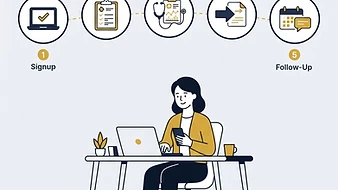
What Happens After You Sign Up for a GLP-1 Telehealth Program?
After signing up for a GLP-1 telehealth program, you may complete a health intake, undergo licensed provider review, answer follow-up questions, receive next-step instructions, and learn how prescriptions, pharmacy fulfillment, follow-up, and refills work.

Why Strength Training Matters During Weight Loss
Weight loss can reduce both fat and lean tissue. Learn how resistance training can help preserve muscle, improve strength and function, and support healthier body composition during weight loss, including GLP-1 treatment.

GLP-1 Myths: What the Evidence Actually Says
GLP-1 medications are surrounded by claims about diabetes, injections, muscle loss, compounded drugs, weight regain, thyroid cancer, and mental health. Here’s what current evidence actually supports.

Why Protein Matters During Weight Loss
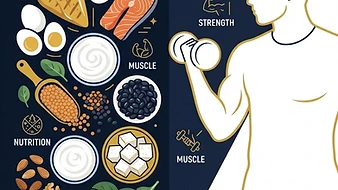
Weight loss can involve loss of both fat and lean tissue. Learn why protein matters during weight loss, how it supports muscle and nutrition, why GLP-1 users may need to pay special attention, and why resistance training matters too.